Do Dental Crowns Look Natural?
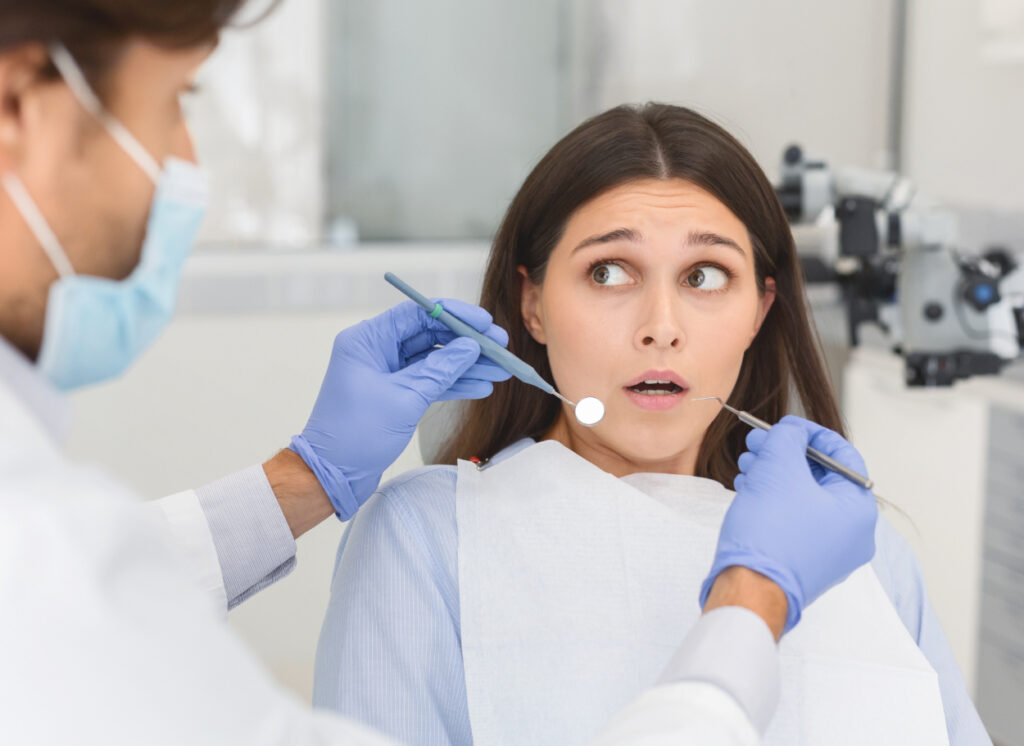
For most patients, the real question is not whether a crown can save a tooth. It is whether anyone will notice it was ever restored in the first place.
That concern is completely reasonable. A dental crown sits in a very visible place in your life. You use it every time you talk, smile, laugh, or eat with other people. If it looks flat, bulky, too bright, or slightly gray at the gumline, you will probably see it every day, even if nobody else does. On the other hand, when a crown is done well, it often disappears into the smile so completely that even close family members cannot tell which tooth was treated.
The short answer is yes, Dental Crowns can look very natural. The longer answer is that the result depends on several factors working together: the material chosen, the skill of the dentist, the quality of the lab work, the color and shape of the surrounding teeth, and the condition of the gums underneath and around the crown. A beautiful crown is rarely an accident. It is usually the product of careful planning and a surprising amount of detail.
What makes a crown look like a real tooth
Natural teeth are not a single uniform color. They have depth, translucency, tiny surface ridges, subtle shadows, and light reflection that changes depending on the angle. The front teeth, especially, are more like layered glass and enamel than painted ceramic. That is why the most convincing crowns are not simply matched to a shade tab and placed. They are designed to mimic how a real tooth behaves in light.
A natural-looking crown usually gets four things right. First, the color has to match, but not in a flat, opaque way. Second, the shape has to fit the face and the neighboring teeth. Third, the surface texture has to look believable. Fourth, the crown has to emerge from the gumline in a way that looks healthy and undramatic.
Patients often focus almost entirely on color, and that is understandable. If one crown is whiter than the rest of the smile, it draws attention immediately. But shape is just as important, and in some cases even more important. A crown that is technically the correct shade can still look artificial if it is too square, too long, too short, or too rounded compared with the teeth beside it.
I have seen cases where someone said, “The color is fine, but something feels off.” What they were noticing was contour. The crown had a smooth, generic shape, while the neighboring natural teeth had small asymmetries and line angles that gave them character. Real teeth are rarely perfect in the way fake teeth often are.
Material matters more than most people realize
One of the biggest reasons modern crowns look better than older ones is the range of materials now available. Years ago, many patients ended up with crowns that were strong but visibly different from natural teeth. Modern ceramics have improved that dramatically.
Porcelain and ceramic crowns tend to offer the most lifelike appearance, especially for front teeth. They reflect and transmit light in a way that resembles enamel far better than metal-based options. Zirconia crowns, depending on the type used, can also look excellent, particularly the newer, more translucent versions. They are often chosen when strength and appearance both matter.
Porcelain-fused-to-metal crowns can still be useful, but they sometimes create cosmetic compromises. If the gums recede over time, a dark line near the gum can become visible. Some patients remember seeing this on older crowns worn by parents or grandparents. That look gave crowns a reputation for appearing obvious. It is less common now, especially when all-ceramic options are appropriate.
The best material is not always the prettiest one in theory. It is the one that suits the location in the mouth, the bite forces, the habits of the patient, and the cosmetic demands of the case. A front tooth crown for a television presenter has different priorities than a crown on a molar for someone who clenches heavily at night.
The front teeth demand a higher level of artistry
A crown on a back molar can look perfectly acceptable even if it is not a masterpiece. It is seen less, catches less light, and is not framed by the smile in the same way. Front teeth are different. They are on display in daylight, office lighting, phone cameras, and restaurant windows. Small mismatches stand out fast.
The most natural anterior crowns often involve a dentist who pays close attention to smile design and a lab technician who understands ceramics at an artistic level. That may sound lofty, but it is practical reality. Matching one front tooth to the tooth next to it is one Dental Crowns of the hardest tasks in restorative dentistry.
The technician is not just choosing “white.” They are managing brightness, translucency at the edge, the warmth or coolness of the color, and the internal character of the tooth. Some natural teeth have faint white bands, soft amber tones near the gumline, or slightly translucent edges that appear almost bluish in certain light. Ignoring those details can make a crown look chalky or fake.
This is why single front tooth crowns are often more challenging than a full set of cosmetic restorations. When all visible teeth are being restored together, uniformity is easier to create. Matching one crown to a row of existing natural teeth takes more finesse.
Shade matching is part science, part judgment
Patients sometimes expect shade matching to be simple. The dentist holds up a shade guide, picks the closest option, and the crown should match. In reality, shade selection is more nuanced.
The lighting in the room matters. Bright operatory lights can wash out color. Natural daylight often gives a truer view. Hydration matters too. Teeth dry out quickly during dental treatment, and dry teeth appear lighter and more opaque. A shade that looked right when the tooth was dehydrated may look too bright once everything rehydrates.
Age also plays a role. Younger teeth tend to have a different appearance from older teeth, often with more brightness and translucency. If a patient in their sixties wants one crown on a front tooth, and the rest of the smile shows normal wear and warmth, a very bright crown can look out of place even if it would be beautiful in isolation.
There is also the matter of patient preference. Some people want a crown to disappear completely into the existing smile. Others quietly hope the new tooth will look a little better than the old one did. That can create tension. A crown that “matches” may not satisfy someone who also wants a subtle cosmetic upgrade. The solution is not guesswork. It is a clear conversation before the final crown is made.
Why temporary crowns can be misleading
Many patients panic when they first see the temporary. That reaction is common, and usually unnecessary.
Temporary crowns are designed to protect the tooth and maintain space and function while the final restoration is made. They are not typically as refined in shape, luster, or color as the permanent version. The material is different, the polish is different, and the fit at the microscopic level is not the same. A temporary may look dull, bulky, or slightly rough even when the final crown will look excellent.
That said, the temporary still has value. It can reveal whether the length feels right, whether the speech sounds normal, and whether the general shape works with the smile. If something looks obviously too long, too square, or too prominent, that feedback can help improve the final crown.
A useful rule for patients is simple: do not judge the artistry of the permanent crown by the temporary alone, but do pay attention to major concerns about shape or comfort and mention them early.
The gumline often determines whether a crown blends in
Even a beautifully crafted crown can look artificial if the gum tissue around it is inflamed, uneven, or receding. Natural-looking dentistry depends as much on pink tissue as white tooth structure.
Healthy gums frame the crown and create a believable transition between restoration and natural tissue. If the margin of the crown is visible, or if the gum around it looks irritated, people may not know exactly what they are seeing, but they will notice something looks different.
Sometimes the issue is not the crown itself but the underlying tooth or the surrounding tissue. A tooth that had trauma years ago may have discoloration beneath it. A metal post or dark core can affect how light passes through the restoration. Thin gums can make subtle shadows more visible. In these situations, a dentist may need to adjust the treatment plan to improve the final appearance, rather than simply ordering a standard crown and hoping for the best.
This is especially relevant in the front of the mouth. A millimeter of gum asymmetry can change the whole impression of a smile. Patients often assume the crown is too big or too visible, when the real issue is that the gum contour no longer mirrors the opposite side.
Why some crowns look fake
Most unnatural-looking crowns fail in predictable ways. They are too opaque, too bright, too monochromatic, or too bulky. Some have edges that look thick rather than delicate. Others are shaped like idealized textbook teeth rather than real human teeth.
These are common reasons crowns stand out:
- The shade is too white for the rest of the smile.
- The crown lacks translucency and looks chalky.
- The shape does not match neighboring teeth.
- The gumline around the crown is uneven or irritated.
- The material chosen prioritizes strength but compromises esthetics in a highly visible area.
There is also the issue of symmetry. Perfect symmetry sounds attractive, but natural smiles are full of tiny differences. When a crown is made too uniformly, it can look manufactured. Skilled cosmetic work often includes controlled imperfection, just enough to make the tooth feel real.
Can people tell you have a crown?
Sometimes yes, often no.
A crown on a back tooth is unlikely to be noticed unless someone is looking directly into your mouth under bright light. A well-made crown on a front tooth can also go unnoticed, but it is held to a much stricter standard. Your eye naturally goes to the center of the smile, especially the front two to four teeth. If a crown is on one of those teeth, the room for error is much smaller.
Friends and coworkers usually do not inspect individual teeth. They read the whole face. If the smile looks balanced, healthy, and proportionate, they are unlikely to identify a crown. If one tooth catches the light differently, looks flatter, or sits awkwardly at the gumline, people may sense something is different even if they cannot name it.
One practical reality is that patients notice their own crowns far more than other people do. You know which tooth was treated, so your attention keeps returning to it. That heightened awareness can make slight differences feel enormous. Sometimes there is a genuine esthetic issue. Sometimes the crown is objectively good, and the patient simply needs time to adapt to seeing a restored tooth.
The role of digital technology, and its limits
Digital scanners, intraoral photography, and computer-aided design have improved crown accuracy and consistency. Impressions are cleaner, communication with labs is often better, and remakes for fit issues have become less common in many practices. These are real improvements.
Still, technology does not replace judgment. A scanner can capture the anatomy of a tooth. It does not decide how youthful or mature the restoration should look, how to mimic the subtle translucency of the adjacent incisor, or when a mathematically neat contour will appear too stiff in a living smile.
Some same-day crowns look very good. Some are best reserved for less visible areas or cases with moderate cosmetic demands. The speed is convenient, but convenience is not always the highest priority for a front tooth. There are cases where sending work to a top lab and taking more time gives a clearly better result.
The best dentists know when efficiency serves the patient and when craftsmanship should take the lead.
Expectations matter, especially if nearby teeth are imperfect
One common source of disappointment has nothing to do with poor dental work. It comes from expecting the new crown to make the surrounding natural teeth look straighter, whiter, or more even by comparison.
Imagine a patient with one broken front tooth, slight natural rotation of the adjacent teeth, and moderate staining across the smile. If the crown is matched faithfully to the existing teeth, it may look natural, but not glamorous. If the crown is made brighter and more idealized, it may look attractive on its own, but obvious in the mouth.
This is where treatment planning becomes more than a single procedure. Sometimes the right answer is a crown that blends. Other times it may involve whitening first, or reshaping a neighboring tooth, or discussing veneers if the patient truly wants a broader cosmetic change.
A single restoration can only do so much. A natural result and an idealized smile are not always the same thing.
Questions worth asking before you commit
Patients usually get better esthetic outcomes when they ask thoughtful questions before the crown is made. Not confrontational questions, just clear ones. Ask what material is being recommended and why. Ask whether the crown is in a high-visibility area and whether custom shading or lab photography would help. Ask what the dentist expects it to look like compared with the neighboring teeth.
A few simple questions can reveal a lot:
- Will this crown be matched to my current tooth color, or should I whiten first if I plan to?
- Is this material the best choice for appearance in this part of my mouth?
- If this is a front tooth, will photos or custom shading be sent to the lab?
- Are there any gum or bite issues that could affect how natural it looks later?
Those conversations are often more valuable than patients realize. Many esthetic disappointments are preventable when expectations are aligned from the start.
How long a crown continues to look natural
A crown can look excellent on the day it is placed and less convincing years later if the surrounding conditions change. Gum recession can expose edges. Adjacent natural teeth can darken with age while the crown keeps its original shade. Wear patterns can evolve, especially in people who grind their teeth.
That does not mean crowns age poorly by default. Many look good for a long time. It just means that esthetics are not frozen in time. The mouth changes. The face changes. Dental materials stay relatively stable while natural teeth continue to respond to diet, habits, and aging.
This is one reason regular maintenance matters. Polishing, gum care, bite evaluation, and night guards for patients who clench can all help a crown remain both functional and attractive. Sometimes the crown itself is fine, but the bite has shifted enough to create chipping or an unnatural shine pattern on the ceramic. Small issues can become visible if ignored.
When a crown may not be the best esthetic answer
Crowns are excellent restorations, but they are not automatically the most conservative cosmetic option. If a tooth has enough healthy structure and the main concern is appearance rather than damage, a veneer or bonding might preserve more natural tooth. If the problem is primarily discoloration, internal bleaching or whitening of surrounding teeth may be worth discussing first.
That does not make crowns a poor choice. It simply means the most natural result often comes from choosing the right treatment, not the most familiar one. A crown is justified when a tooth is heavily restored, cracked, root canal treated, structurally weakened, or missing too much tooth structure to rely on a more conservative option.
Patients tend to be happiest when the treatment goal is honest. If the goal is strength and durability on a compromised tooth, a crown often shines. If the goal is subtle cosmetic enhancement on a mostly healthy tooth, other options may deserve attention.
So, do Dental Crowns look natural?
They absolutely can. In many cases, they look so natural that even careful observers cannot pick them out. But a natural-looking crown is not just about placing porcelain over a prepared tooth. It is about matching color with nuance, shaping the restoration with restraint, respecting the gum tissue, and choosing a material that suits both the smile and the bite.
The crowns that look best are usually the ones that do not try too hard. They do not scream perfection. They borrow the language of the surrounding teeth, their brightness, their texture, their tiny irregularities, and quietly belong there.
If you are considering Dental Crowns, the best thing you can do is choose a dentist who treats esthetics as more than shade matching. Ask to see examples of similar work. Discuss your priorities clearly. If the crown is in a visible area, give the process the time and attention it deserves.
When those pieces come together, a crown does not have to look like a crown. It can simply look like your tooth, healthy again.
Simple Dental South Gate
Address: 8617 California Ave, South Gate, CA 90280
Phone number: +13236896118
FAQ About Dental Crowns
How much do crowns cost per tooth?
In the United States, a single dental crown typically costs between $800 and $2,500 per tooth without insurance. The ultimate out-of-pocket price depends heavily on the crown material, the location of the tooth, and whether you have dental insurance coverage.
What is the downside of crowns on teeth?
The primary downside of a dental crown is that the procedure permanently removes natural tooth enamel to shape the tooth for the cap.
Why do dentists push for crowns?
Dentists recommend crowns because a large filling cannot provide enough strength when a tooth loses a major portion of its structure or faces heavy chewing pressure.