When Do You Need Dental Crowns Southgate CA?
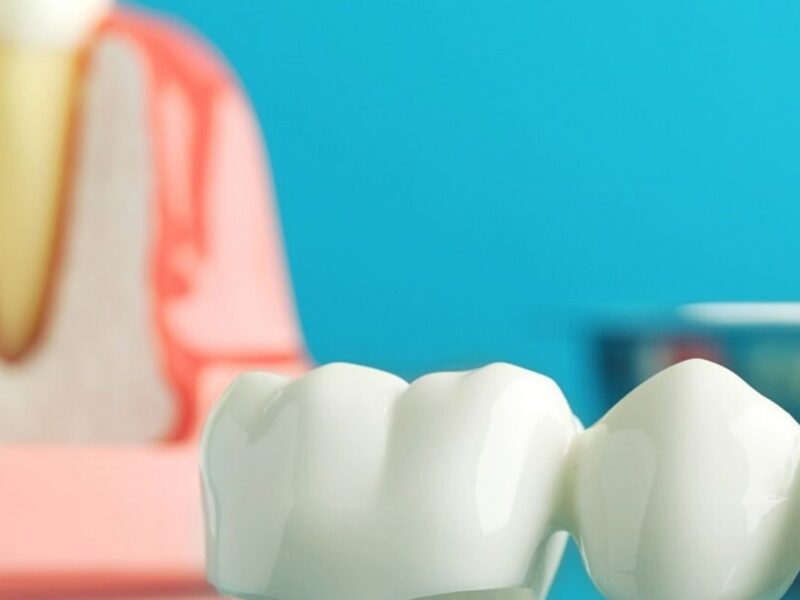

A dental crown is one of those treatments people often hear about long before they understand it. Many patients assume a crown is only for a severely damaged tooth, or they picture something dramatic and painful. In practice, crowns are common, highly practical, and often the difference between saving a tooth and losing it.
If you have been told you may need a crown, or you are searching for answers about Dental Crowns Southgate CA, the real question is not just what a crown is. It is when a crown becomes the right choice, why your dentist recommends it, and whether waiting will make the problem harder or more expensive to fix.
A crown is essentially a custom-made cap that covers and protects a tooth. It restores shape, strength, and function. That sounds simple, but the decision to place a crown is rarely random. It usually follows a close look at how much healthy tooth remains, where the tooth is located, how much bite pressure it takes every day, and whether a simpler restoration would predictably fail.
The point where a filling is no longer enough
Small cavities can often be treated with fillings. Even moderate decay may still be repairable with a filling if the tooth structure remains solid. The shift toward a crown usually happens when the tooth has lost too much strength.
Think of a molar that has already had a large silver or tooth-colored filling for years. Over time, the surrounding enamel can weaken. Chewing pressure does not hit teeth gently. Back teeth absorb heavy, repetitive force, especially in people who clench, grind, or chew hard foods regularly. When a large portion of the chewing surface has been rebuilt with filling material, the remaining walls of the tooth can act like thin shells. One hard bite on ice, popcorn kernels, or a piece of crusty bread may be enough to crack one of those walls.
That is a classic crown situation. At that stage, simply replacing the filling may not protect the tooth well enough. A crown wraps the tooth and redistributes chewing forces more safely.
In many cases, patients say something like, “It was fine for years, then a corner just broke off.” That is often how these teeth fail, quietly at first, then all at once.
Cracked teeth often need fast decisions
A cracked tooth does not always announce itself dramatically. Sometimes the warning signs are subtle. Pain when biting down, a sharp zing when releasing pressure, sensitivity to cold, or a feeling that something is “not right” on one side of the mouth can all point to a crack.
Not every crack requires a crown. Tiny superficial lines in enamel, often called craze lines, are common and usually harmless. But when a crack extends into a tooth in a way that threatens its Dental Crowns Southgate CA structural integrity, a crown is one of the most reliable ways to hold the tooth together.
Timing matters here. A tooth with a manageable crack today can become a split tooth later. Once a crack travels too far below the gumline or divides the tooth into separate segments, the tooth may no longer be restorable. That is why dentists can sound urgent about a crown even when the tooth does not look terrible to the patient. The problem is often mechanical, not just cosmetic.
In everyday practice, cracked lower molars are especially common in adults who grind their teeth at night. The crack may not show clearly on an X-ray. Diagnosis often comes from the pattern of symptoms, the patient’s history, and how the tooth responds during an exam. When the evidence points to a compromised tooth, a crown is frequently the most conservative way to prevent a much bigger problem.
After a root canal, crowns are often protective, not optional
One of the most common reasons for a crown is root canal treatment. Once a tooth has needed a root canal, it usually means the nerve inside was infected, inflamed, or damaged. The root canal solves the internal problem, but it does not magically rebuild the outer structure of the tooth.
A tooth that has had a root canal can become more brittle over time, especially if much of it was already lost to decay or old restorations. Back teeth are at the highest risk because they handle so much pressure. That is why dentists so often recommend crowns after root canal treatment on premolars and molars.
Front teeth can be a little different. If a front tooth has had a root canal but still retains substantial healthy enamel and is not carrying heavy chewing loads, a crown may not always be necessary. Sometimes a bonded restoration is enough. That is the kind of judgment call that depends on anatomy, bite, and how much tooth remains.
Still, for many posterior teeth, skipping the crown after a root canal is a gamble. A patient may feel relief once the pain is gone and assume treatment is complete. Then, a few months later, the tooth fractures and becomes far more difficult to save. The crown is often what turns a successful root canal into a durable long-term result.
Teeth with large old fillings are common crown candidates
Dentistry has a way of revisiting its own work. A filling placed ten or fifteen years ago may have served well, but no restoration lasts forever. Margins can leak, decay can start around an old filling, and repeated replacement tends to remove more natural tooth each time.
There comes a point when a tooth has been repaired so many times that another large filling is no longer the wisest option. This is particularly true when the remaining cusps, the pointed parts of the chewing surface, are thin or undermined.
Patients are sometimes surprised when a dentist recommends a crown for a tooth that “doesn’t hurt.” Pain is not the best measure of whether a tooth is structurally safe. Many teeth heading toward fracture are comfortable right up until the day they crack.
A useful way to think about it is this: fillings replace a missing part of the tooth, while crowns reinforce the whole visible part of the tooth. When the remaining shell is too weak, reinforcement matters more than patching.
Crowns can restore worn-down teeth
Not all crown cases begin with decay. Some teeth wear down gradually from grinding, acid erosion, or a bite that puts excessive pressure on certain areas. This kind of damage often creeps up slowly. People adapt to the shorter, flatter shape of their teeth and may not notice the extent of wear until they begin chipping edges, developing jaw fatigue, or seeing increased sensitivity.
In moderate to severe wear cases, crowns may be used to rebuild lost height and protect the teeth from further breakdown. This has to be planned carefully. It is not just about covering one worn tooth. Your dentist has to consider how that tooth meets the opposing arch, whether the bite is stable, and whether a night guard will be needed to protect the new work.
These are not cases where a one-size-fits-all answer works well. Sometimes a patient needs one or two crowns on the most vulnerable teeth. In more advanced wear patterns, a broader rehabilitation may be discussed. Either way, the crown becomes part of a bigger strategy to manage the forces that caused the damage in the first place.
Cosmetic concerns can justify crowns, but not always
Crowns can absolutely improve appearance. They are used to correct shape, cover severe discoloration, restore broken front teeth, and create a more balanced smile. But a good dentist will not reach for a crown automatically just because a tooth looks less than ideal.
Crowns require reduction of natural tooth structure. For that reason, they are usually not the first cosmetic option for healthy teeth that could be improved more conservatively with whitening, bonding, or veneers. Crowns tend to make the most sense cosmetically when the tooth is already heavily restored, fractured, root canal treated, or structurally compromised.
A front tooth with major trauma is a common example. If the tooth has a large old bond, dark internal staining, and chipped edges that keep failing, a crown may provide a more stable and attractive result than repeatedly patching it.
Patients often appreciate a straightforward discussion of the trade-offs here. A crown can look beautiful, but it is still a prosthetic restoration. It requires maintenance, careful hygiene, and realistic expectations about longevity.
Signs that a crown may be recommended
Certain patterns come up again and again in crown consultations. If you are wondering whether your situation fits, these are some common triggers your dentist looks for:
- A tooth has cracked, fractured, or lost a large piece.
- A filling is so large that the remaining tooth walls are weak.
- The tooth has had a root canal and needs reinforcement.
- Decay has destroyed enough structure that a filling would not last.
- The tooth is badly worn or misshapen and needs full coverage for function.
Those Dental Crowns Southgate CA signs do not automatically mean every tooth needs a crown. They do mean the dentist is likely weighing structural protection, not just symptom relief.
What the exam is really assessing
From the patient side, a crown recommendation can seem quick. From the clinical side, several questions are being answered at once.
First, is the tooth restorable? If decay extends too far below the gumline, if a fracture runs deep into the root, or if periodontal support is poor, a crown may not be enough. Saving a tooth only makes sense when the foundation is sound.
Second, how much healthy tooth remains above the gumline? Crowns need adequate tooth structure to grip. If too little remains, your dentist may discuss a buildup, crown lengthening, or, in some cases, extraction and replacement options.
Third, what kind of forces does the tooth face? A crown on a front tooth and a crown on a back molar are dealing with very different mechanics. Bite habits matter. So does alignment. A beautifully made crown will still fail early if it is placed into a destructive bite without addressing the underlying stress.
Fourth, what material is appropriate? Porcelain, zirconia, porcelain-fused-to-metal, and other materials each have strengths and limitations. The best choice depends on visibility, space, clenching habits, and whether the tooth is in the esthetic zone.
The process is more precise than most people expect
Getting a crown usually takes at least two visits, although some offices offer same-day technology in selected cases. The basic sequence is familiar: the tooth is prepared, impressions or digital scans are taken, a temporary crown is placed, and the final crown is cemented later.
What patients often do not see is how much detail affects the final result. The preparation must remove enough tooth to create space for the material while preserving as much healthy structure as possible. The margin, where the crown meets the tooth, must be clean and readable so the laboratory can fabricate a precise fit. Bite records have to be accurate. Shade matching matters, especially for front teeth. The temporary crown is not just a placeholder, it protects the tooth and helps maintain gum shape.
When everything goes well, the final crown should feel natural within a short period. A little awareness at first is common. Sharp pain, persistent high bite, or food trapping are not things patients should simply tolerate. Small adjustments can make a big difference.
Choosing a crown instead of the alternatives
Patients usually want to know whether a crown is truly necessary or just one option among many. That is a fair question. Sometimes the alternatives are reasonable. Sometimes they are not.
Here is where the comparisons usually land:
- A filling is more conservative, but it may fail quickly if too much tooth is missing.
- An onlay can preserve more natural tooth than a full crown, but it requires the right case and enough sound structure.
- Extraction removes the problem entirely, but it creates a new one, a gap that affects chewing, bite stability, and often self-confidence.
- Doing nothing may feel cheaper in the short term, but it often leads to fractures, infection, or tooth loss that cost more to manage later.
Experienced dentists tend to think in terms of prognosis, not just procedure. The best treatment is the one most likely to hold up under real-life use.
What about pain, recovery, and daily life?
Most crown procedures are easier than patients expect. Local anesthesia is typically enough. If the tooth is alive and sensitive, numbness protects you during preparation. Soreness around the gums for a day or two is common, particularly if the area needed substantial shaping or if a temporary crown rubs a little at first. Mild temperature sensitivity can happen as well.
The temporary period is often the most awkward stage. Temporary crowns can feel bulkier or less polished than the final version. Sticky foods can pull them loose, so dentists usually suggest being careful with gum, caramel, or very chewy bread on that side.
Once the final crown is placed, normal function usually returns quickly. Most people go back to work the same day. What matters more long term is habit control. Someone who grinds hard at night can destroy natural teeth and restorations alike. A night guard is not glamorous, but it is often one of the smartest ways to protect an investment in dental work.
How long do crowns last?
No ethical dentist should promise that a crown lasts forever. Crowns can last many years, often well over a decade, but lifespan depends on the original condition of the tooth, oral hygiene, bite forces, material choice, and routine maintenance.
A crown does not make the underlying tooth immune to decay. In fact, recurrent decay at the margin is one of the more common reasons crowns eventually need replacement. Gum health matters too. If plaque builds up around the crown, inflammation can expose the margin, create sensitivity, and compromise the long-term seal.
In offices that place a lot of crowns, the patterns are predictable. Crowns on patients with stable bites, good brushing and flossing habits, and regular cleanings often perform beautifully for years. Crowns in heavy grinders who skip maintenance and use their teeth like tools, opening packages, chewing ice, cracking nuts, fail faster. The restoration is only part of the equation.
Cost questions are real, especially when treatment feels unexpected
When patients look for Dental Crowns Southgate CA, they are often trying to understand not just the treatment but the financial picture. Crown fees vary based on material, office overhead, lab quality, whether additional work is needed, and what insurance covers. There is no honest single number that fits every office or every case.
What is worth understanding is where the cost comes from. A crown involves clinical time, precise preparation, imaging or scans, a temporary restoration, laboratory fabrication or in-office milling, and final placement. If a tooth also needs a buildup, root canal treatment, or gum work, the total naturally rises.
Patients sometimes compare the price of a crown to the price of a filling and wonder why the gap is so large. The better comparison is between a crown now and the cost of a fractured tooth later that may require extraction, bone grafting, and an implant. Not every tooth that delays treatment ends that way, but enough do that the warning is grounded in experience, not salesmanship.
Local concerns in Southgate CA often come down to access and timing
In communities like Southgate, people often balance dental care with work schedules, family responsibilities, transportation issues, and insurance limitations. That reality affects when patients come in. It is common for someone to ignore a cracked tooth because it only hurts occasionally, or to postpone a recommended crown because the temporary fix seems “good enough.”
The trouble is that teeth rarely fail on a convenient schedule. A weakened molar has a habit of breaking right before a trip, during a busy workweek, or over a weekend when options are limited. That is part of why timely care matters so much. A tooth that could have been restored with a crown on a planned appointment can become an emergency extraction if it fractures deeper.
If you are researching Dental Crowns Southgate CA, it helps to look for a dentist who explains the reasoning clearly, shows you what they see on images or scans, and discusses alternatives honestly. Good crown treatment is not just about placing a cap. It is about diagnosis, case selection, fit, bite, and follow-through.
When it may not be the right move
Crowns are useful, but they are not the answer to every damaged tooth. Some teeth are too far gone. If decay extends deep below the bone, if the root is fractured, or if there is not enough healthy structure left to retain a restoration predictably, placing a crown may only delay the inevitable.
There are also cases where a more conservative option deserves first consideration. A small fractured cusp on an otherwise healthy tooth may do well with a bonded onlay. A front tooth with minor cosmetic flaws may be better treated with bonding or whitening. A thoughtful dentist should be able to explain why a crown is indicated in your case, not just why crowns are useful in general.
That distinction matters. Patients deserve treatment based on the actual condition of the tooth, not a blanket preference.
Caring for a crowned tooth
A crown should be brushed and flossed like a natural tooth. The area where the crown meets the gumline is especially important. Food and plaque collect there easily, and neglect at that margin is one of the fastest ways to shorten the life of the restoration.
If floss tends to shred around a crown, tell your dentist. That can indicate a rough edge, overhang, or open contact. If your bite feels slightly “off” after placement, do not assume you will just get used to it. Sometimes you do, but a small adjustment can prevent jaw soreness or excess stress on the tooth.
For people who clench or grind, the conversation should include protection at night. A well-made crown can tolerate normal chewing, but parafunctional habits are a different category of force. Night guards help spread that force and reduce the risk of chipping porcelain, loosening cement, or cracking the underlying tooth.
The practical takeaway
You need a dental crown when a tooth can still be saved, but it no longer has enough strength to function reliably on its own. That often means a large old filling, a crack, a fracture, major decay, significant wear, or a tooth that has had root canal treatment. The crown is not there just to cover damage. It is there to prevent the next stage of damage.
For patients searching for Dental Crowns Southgate CA, the best next step is not guessing based on symptoms alone. It is getting the tooth examined before the problem escalates. Crowns work best when they are planned, not rushed after a preventable break. A timely diagnosis can preserve more tooth structure, reduce cost over time, and keep a salvageable tooth in service for many years.
Simple Dental South Gate
Address: 8617 California Ave, South Gate, CA 90280
Phone number: +13236896118
FAQ About Dental Crowns Southgate CA
How much do crowns cost per tooth?
In the United States, a single dental crown typically costs between $800 and $2,500 per tooth without insurance. The ultimate out-of-pocket price depends heavily on the crown material, the location of the tooth, and whether you have dental insurance coverage.
What is the downside of crowns on teeth?
The primary downside of a dental crown is that the procedure permanently removes natural tooth enamel to shape the tooth for the cap.
Why do dentists push for crowns?
Dentists recommend crowns because a large filling cannot provide enough strength when a tooth loses a major portion of its structure or faces heavy chewing pressure.