Why Dental Crowns Southgate CA Are Popular for Smile Repair
A healthy smile does more than photograph well. It lets people chew without thinking about it, speak clearly, and walk into work or family events without the small, persistent worry that a damaged tooth will show. That is one reason dental crowns remain one of the most requested restorative treatments in local practices. When patients ask why so many neighbors choose crowns, the answer is usually simple: crowns solve several problems at once.
In Southgate, where people balance work schedules, school pickups, commutes, and tight budgets, dental treatment has to be practical. A crown often checks the boxes people care about most. It protects a weakened tooth, improves appearance, restores bite strength, and can last for many years when done well and maintained properly. That mix of function and cosmetic improvement explains why Dental Crowns Southgate CA continues to be a common search for patients looking to repair their smiles without taking an all-or-nothing approach.
What a dental crown actually does
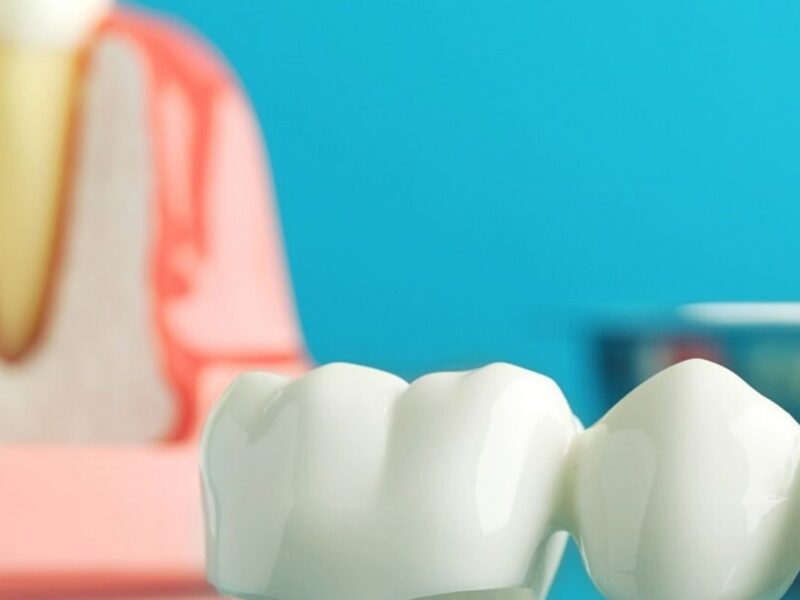
A crown is a custom-made cap that covers the visible portion of a tooth. It is designed to fit over a tooth that has been damaged, worn down, fractured, heavily filled, or treated with a root canal. Once bonded into place, it becomes the tooth’s new outer surface.
That sounds straightforward, but the real value of a crown is mechanical. Natural teeth are strong, though not indestructible. When a large cavity removes too much structure, or a crack starts spreading under biting pressure, the remaining tooth can flex in ways it was never meant to. Patients often describe a sharp zing when chewing, or the sense that a back tooth feels “hollow” or unstable. A crown braces that weakened tooth and redistributes force across the biting surface.
Appearance matters too. Crowns can improve shape, color, and symmetry, especially when a front tooth is chipped, discolored after trauma, or structurally compromised. Modern materials allow dentists to match natural teeth far better than many people expect. For someone who has hidden a smile for years because one tooth looks dark or broken, that change can feel disproportionate to the size of the procedure.
Why crowns fit real life in Southgate
Popularity rarely comes from marketing alone. It usually comes from usefulness. In neighborhoods like Southgate, patients tend to value treatments that preserve what they already have. A crown often allows a person to keep a natural tooth that might otherwise continue breaking down.
There is also a practical emotional factor. A lot of people put off dental work until something forces the issue. They may live with a cracked molar for months, chew on one side, and tell themselves they will deal with it after the holidays, after tax season, after school starts. Then the tooth chips further, or pain wakes them at night. At that point, a crown can feel like a relief rather than a luxury. It offers a middle path between a simple filling, which may no longer be enough, and extraction, which most patients would rather avoid if possible.
Local demand also reflects the broad age range crowns serve. Younger adults may need one after sports trauma or a deep cavity. Middle-aged patients often need them for old fillings that have reached the end of their life. Older adults may need crowns because decades of grinding, acid wear, or cumulative dental work have weakened the remaining tooth structure. Few restorative options are this versatile.
The kinds of smile problems crowns repair well
Crowns are popular because they treat both visible and hidden damage. A tooth does not need to be dramatic-looking to need protection. In fact, some of the teeth most at risk look almost normal from the outside.
Common situations where a crown makes sense include:
- A tooth with a large filling and very little healthy structure left
- A cracked tooth that hurts with pressure or temperature changes
- A root canal-treated tooth that needs long-term protection
- A badly worn tooth that has lost height and function
- A front tooth with major cosmetic damage that bonding cannot reliably fix
These cases matter because the alternative is often a cycle of temporary repairs. A large filling can break, get replaced, and break again as the remaining tooth walls thin out. At some point the question is no longer whether to restore the tooth more completely, but whether there is enough tooth left to save.
Crowns are not only about looks
Patients often first ask about color and shape, especially for front teeth. That is understandable, but function usually drives the treatment. A crown on a back molar may be almost invisible when you smile, yet it can make a huge difference in daily comfort. Chewing becomes steadier. Sensitivity may settle down. Food stops packing into a broken area. The jaw can relax because the patient is no longer unconsciously protecting one side.
There is a common misconception that crowns are mostly cosmetic. Some are placed partly for cosmetic reasons, but many are placed to prevent a tooth from splitting beyond repair. I have seen patients who delayed a recommended crown because the tooth “didn’t look that bad.” Six months later, the tooth fractured deeper and the treatment plan changed from crown to extraction and implant consultation. That is not every case, but it is a familiar one.
This is one reason dentists in busy family practices often sound more urgent about crowns on certain teeth than patients expect. The urgency is not about selling a larger procedure. It is about recognizing when a tooth is entering the stage where repair options narrow quickly.
Materials have improved, and patients notice
Part of the reason Dental Crowns Southgate CA remains popular is that crowns no longer carry the same image they did years ago. Many people still picture noticeably metallic restorations or bulky-looking caps. Some metal crowns and porcelain-fused-to-metal crowns are still appropriate in certain cases, especially where strength is the top priority. But all-ceramic and zirconia options have changed patient expectations.
Modern crowns can be highly durable while still looking natural. Zirconia, in particular, has become a common choice for back teeth because it handles force well. For front teeth, dentists may choose materials that prioritize translucency and lifelike color blending. The right material depends on the tooth’s location, bite pattern, grinding habits, and cosmetic demands.
This is where judgment matters more than trends. The strongest-looking option on paper is not automatically the best for every person. A patient who clenches heavily at night, for example, places very different demands on a crown than someone with a light bite and excellent enamel elsewhere. Likewise, a front tooth beside very translucent natural teeth may require a different aesthetic strategy than a second molar that nobody sees.
The process is more comfortable than many people expect
People often imagine crowns as a long, difficult process. In reality, most straightforward cases are manageable and predictable. The tooth is shaped to create room for the crown, impressions or digital scans are taken, and a temporary crown is placed while the final one is made. At a later visit, the final crown is tried in, adjusted if needed, and bonded or cemented into place.
What surprises many patients is how much precision goes into small details. The crown has to fit at the gumline without trapping bacteria. It has to contact the neighboring teeth correctly, so floss passes with some resistance but without shredding. It must also meet the opposing tooth properly. If a crown is even slightly high in the bite, the patient can feel it every time they close. Skilled adjustment matters.
Temporary crowns deserve more respect than they get. They are not just placeholders. They protect the prepared tooth, preserve spacing, and give the patient a preview of shape and feel. If a temporary keeps popping off or feels awkward, that feedback can help the dentist refine the final result.
Why many patients choose a crown instead of repeated fillings
A filling is excellent when the damaged area is limited and the remaining tooth is sound. The trouble starts when the filling becomes too large relative to the tooth. At that point, the restoration behaves less like a repair and more like a patch on a weakening shell.
Imagine an old kitchen tile with a crack across it. You can fill the line, but the tile still lacks internal integrity. A badly weakened tooth behaves similarly under chewing pressure. Large fillings do not wrap around and reinforce the whole tooth. Crowns do.
That distinction matters financially too, even if patients do not always see it at first. A crown costs more upfront than a filling. But if a compromised tooth keeps fracturing and needing repeated emergency visits, replacement fillings, or eventually an extraction, the long-term cost can exceed what earlier crown treatment would have been. Cost is never a minor concern, especially for families. Still, the cheapest immediate option is not always the least expensive path over five or ten years.
The cosmetic payoff is often bigger than expected
For front teeth, the popularity of crowns has as much to do with confidence as repair. One darkened tooth can draw the eye more than patients realize. Chipping Dental Crowns Southgate CA near the edge of a front tooth can alter speech slightly, catch on the lip, and become the first thing someone notices in photos. Bonding can work beautifully in modest defects, but larger damage or structurally weak teeth often do better with a crown.
A well-made front crown should not look like a lone perfect tile in a row of natural teeth. It should harmonize. That means matching not just shade, but brightness, translucency, contour, and surface texture. Some of the best crown work goes unnoticed because it blends so well that nobody would guess a restoration is present.
Patients also appreciate predictability. Whitening may improve surrounding teeth but cannot always change a dark internal discoloration caused by trauma or prior root canal treatment. Veneers require specific case selection. Orthodontics improves position, but it does not repair structural loss. Crowns occupy a useful lane because they can solve multiple aesthetic and structural issues at the same time.
A crown is only as good as the planning behind it
The popularity of crowns should not imply they are automatic. Good dentists spend time deciding whether a crown is truly indicated, whether there is enough healthy tooth left to support it, and whether the gums and bite are stable enough for a durable result.
There are trade-offs. Removing too little tooth may compromise fit or material thickness. Removing too much can weaken the foundation. Crowns on teeth with deep cracks, poor gum support, or unresolved bite issues may still fail if the underlying problem is not addressed.
This is why a thoughtful exam matters. X-rays, photos, bite assessment, and a conversation about habits such as grinding, ice chewing, or nail biting all shape the treatment plan. A patient who breaks several restorations in a few years usually needs more than another replacement. They need an explanation for the pattern.
Questions worth asking at the consultation include:
- Is the tooth restorable long term, or is the prognosis uncertain?
- Which crown material fits my bite, budget, and cosmetic goals?
- Will I need a root canal, build-up, or post before the crown?
- How long should this crown reasonably last with proper care?
- Do you recommend a night guard if I clench or grind?
These questions help patients understand that a crown is not a commodity. It is a custom restoration attached to a living system with variables that affect success.
Longevity matters, and maintenance is not complicated
One reason crowns remain popular is that they can last a long time. There is no universal expiration date. Some fail early because of decay at the margin, heavy grinding, poor fit, or trauma. Others function well for ten to fifteen years or much longer. The more useful way to discuss lifespan is in terms of risk management.
A crown does not make the underlying tooth invincible. Decay can still form where crown meets tooth, especially if plaque sits at the gumline. Cement can wash out in rare cases. Porcelain can chip. Biting hard objects can crack even a strong material. Patients who hear “cap” sometimes assume the entire area is sealed forever. It is not.
Care is usually straightforward: brush well along the gumline, floss daily, keep routine checkups, and address clenching if present. A night guard is often one of the highest-value add-ons for people who grind. It is far cheaper and easier than replacing fractured dental work.
Diet and habits matter too. I have seen otherwise excellent crowns fail because patients regularly crunch ice, tear packets with their teeth, or chew pens all day during stressful office work. The crown may be strong, but repeated misuse creates forces it was never designed to absorb.
Why crowns often prevent bigger treatment later
For many patients, the strongest argument in favor of a crown is not what it fixes today, but what it may help avoid tomorrow. Saving a compromised tooth before it splits can preserve bone, maintain bite balance, and delay or eliminate the need for more extensive treatment.
Once a tooth is lost, the replacement conversation changes. Bridges, implants, partial dentures, and orthodontic drifting all become part of the picture. Every replacement option has value, but none is as simple as keeping a healthy natural tooth in place when possible. A crown is often the intervention that allows that to happen.
This is especially relevant in back teeth. Molars absorb a great deal of chewing force. When one is lost, neighboring teeth can shift subtly over time, and the opposing tooth may over-erupt. These changes are not always dramatic, but they complicate future care. Preserving the original tooth with a crown can be the quieter, smarter move.
Insurance, timing, and budget concerns play a role
It would be unrealistic to discuss Dental Crowns Southgate CA without acknowledging cost. Crowns are a meaningful investment. Patients often weigh them against urgent household expenses, insurance limitations, and time off work. That practical pressure affects decision-making as much as clinical advice does.
Many dental offices understand this and try to present phased options when appropriate. For instance, if a tooth can safely hold a well-sealed temporary or protective restoration while the patient arranges finances, that may be part of the discussion. In other cases, delay carries enough risk that the recommendation is more urgent. This is where honest communication matters. Not every cracked tooth can wait six months. Some can. Some absolutely should not.
The best practices tend to be transparent about what is necessary now, what is ideal later, and what warning signs mean the timeline has changed. Patients appreciate that kind of clarity because it respects both their health and their circumstances.
What keeps crowns popular year after year
Trends in cosmetic dentistry come and go, but crowns have stayed relevant because they answer a fundamental need. People want to keep their teeth, restore function, and look normal again after damage. Few treatments do all three as predictably.
The popularity of crowns in Southgate is not hard to understand when you see how often they rescue everyday situations: the old filling that finally breaks, the cracked molar that hurts on tacos and toasted bread, the front tooth darkened years after a bicycle fall, the root canal-treated tooth that needs protection before it snaps. These are not rare or niche problems. They are common, human ones.
A good crown does not draw attention to itself. It lets a person stop thinking about a vulnerable tooth. That is the real reason so many patients choose them. They want to chew normally, smile freely, and move on with their lives. Crowns, when properly planned and well made, are very good at giving that back.
Simple Dental South Gate
Address: 8617 California Ave, South Gate, CA 90280
Phone number: +13236896118
FAQ About Dental Crowns Southgate CA
How much do crowns cost per tooth?
In the United States, a single dental crown typically costs between $800 and $2,500 per tooth without insurance. The ultimate out-of-pocket price depends heavily on the crown material, the location of the tooth, and whether you have dental insurance coverage.
What is the downside of crowns on teeth?
The primary downside of a dental crown is that the procedure permanently removes natural tooth enamel to shape the tooth for the cap.
Why do dentists push for crowns?
Dentists recommend crowns because a large filling cannot provide enough strength when a tooth loses a major portion of its structure or faces heavy chewing pressure.